Flotation Separation Processing Flow-sheet
- Step 1: Comminution:
Ore is reduced to fine particles through crushing and grinding. This increases the surface area, facilitating mineral liberation and subsequent flotation. - Step 2: Pulp Preparation:
The finely ground ore is mixed with water, forming a pulp. Chemical reagents, including collectors, modifiers, and activators, are added to enhance the selectivity of copper mineral attachment to air bubbles. - Step 3: Flotation:
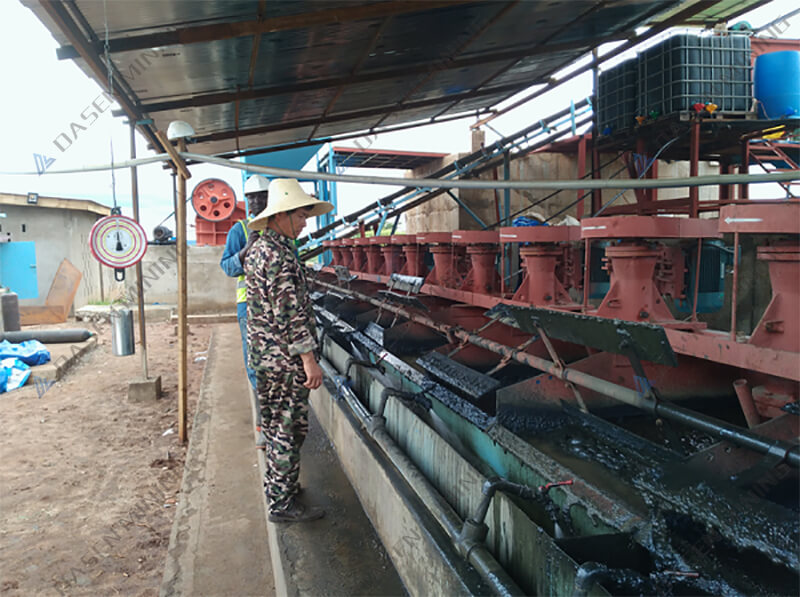
Air is introduced into the flotation cell, creating a foam layer. Hydrophobic copper minerals adhere to the air bubbles, rising to the surface as froth. Hydrophilic gangue minerals remain in the slurry. - Step 4: Concentrate Collection:
The froth containing copper minerals is collected as a concentrate. Concentrates typically have a higher copper grade and are further processed for smelting or refining. - Step 5: Tailings Disposal:
The remaining slurry, known as tailings, containing gangue minerals, is discharged from the flotation cell. Proper tailings management is essential to minimize environmental impact.
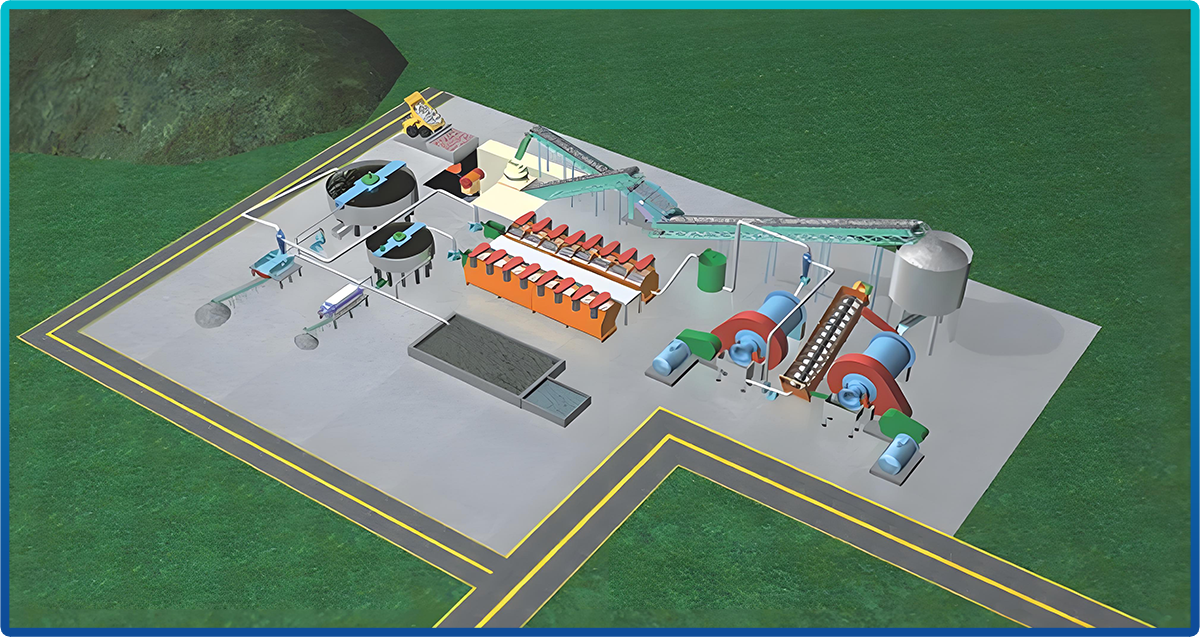
Main Machine : Jaw crusher, Hummer crusher, Ball mill, Flotation machine
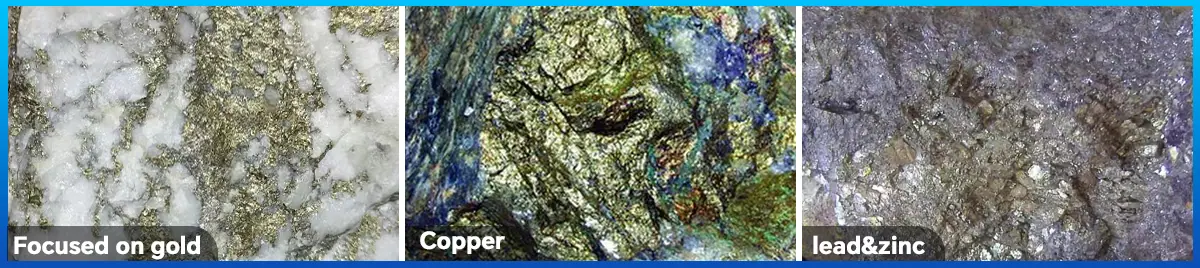
What Mineral Can use Froth Flotation Method to Separate?